
I’ve been obsessed with the quiet magic of miso in desserts lately. Not in a salty, savory way—more like that unexpected umami kick that sneaks in when you least expect it. So when I saw a recipe for light and fluffy Japanese cheesecake that uses a touch of custard so delicate it floats, I had to try. The idea of a souffle that’s almost bitter from the eggs, yet melts on your tongue—that’s what drew me in.
In a world full of rich, dense cheesecakes, this one feels like a breath of fresh air. It’s perfect for spring, when you want something soft but not heavy, something that surprises without overwhelming. There’s always a little thrill in biting into something that looks simple but unfolds in layers of airy silkiness. Honestly, it’s a kind of dessert that makes me forget about having to be fancy.
Why I Love This Recipe (And You Will Too)
- It’s the kind of bake that feels like a quietly rebellious act—light, almost insubstantial but totally satisfying.
- Perfect for lazy weekends, especially when you weren’t planning on baking but want something special.
- The smell of whipped eggs and vanilla filling the kitchen? Pure comfort.
- You can’t mess it up too much, which is a blessing when your baking confidence is iffy.
- It’s proof that sometimes, simple ingredients and a little patience create the most magic.
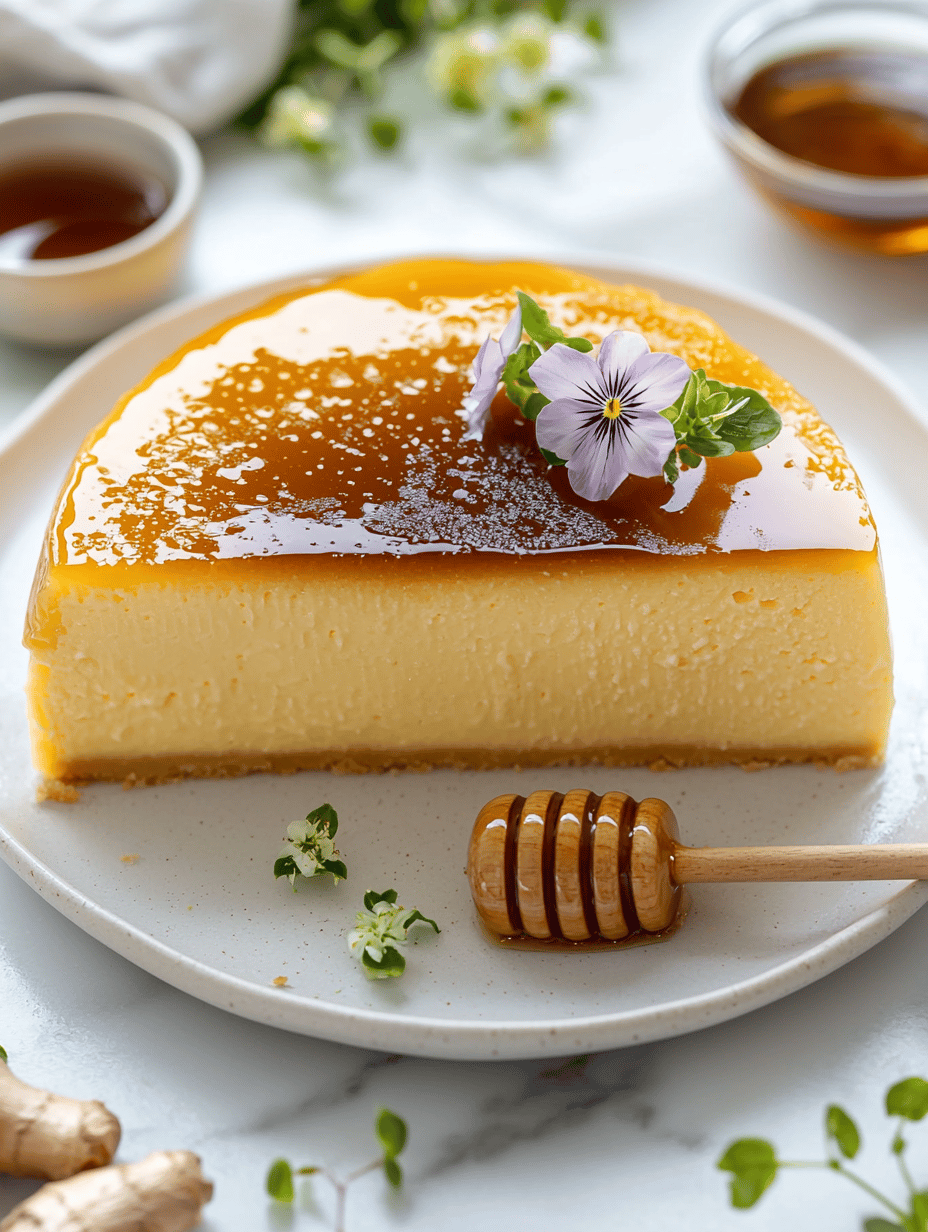
Japanese Miso Cheesecake
Ingredients
Equipment
Method
- Preheat your oven to 160°C (320°F). Line the bottom of a 9-inch round cake pan with baking paper and lightly grease the sides.
- In a mixing bowl, combine softened cream cheese, melted butter, and miso paste. Whisk until smooth and creamy, with no lumps remaining.
- Add milk to the mixture and stir until fully incorporated. Then mix in the caster sugar and vanilla extract until the sugar dissolves completely.
- Sift the flour into the bowl and gently fold it in with a silicone spatula, avoiding deflating the mixture. Set aside.
- In a clean, dry bowl, add egg whites and cream of tartar. Whisk with an electric mixer until stiff, glossy peaks form, and the whites are firm but not dry.
- Carefully fold a third of the whipped egg whites into the batter to loosen it, then gently fold in the remaining whites until just combined and smooth.
- Pour the batter into the prepared cake pan, smoothing the top with a spatula. Tap the pan gently on the counter to release any air bubbles.
- Bake in the preheated oven for about 35 minutes, until the cake is puffed, lightly golden on top, and a toothpick inserted in the center comes out clean.
- Remove from the oven and allow the cake to cool in the pan for 10 minutes. Then, transfer it to a wire rack to cool completely—this helps prevent shrinking.
- Once cooled, gently release the cake from the pan, remove the parchment paper, and serve slices that are tender, airy, and melt-in-your-mouth soft.
Maybe I’ll add a hint of lemon next time. Or swap half the sugar for honey. It’s the kind of dessert that leaves room to experiment, even if you’re not much of a baker. There’s something about that featherlight texture that just makes everything else seem a little less chaotic for a while. And honestly, that’s what I need right now—something gentle, tangible, a little unexpected, but always reassuring.

Hi, I’m Theo Granger, the voice and recipe creator behind Boldly Overseasoning.
If you believe salt is not the enemy, spices should be generous, and flavor should never whisper when it can sing, then you are absolutely in the right place. Boldly Overseasoning is my unapologetic celebration of big flavor, confident cooking, and trusting your instincts in the kitchen. I created this space for people who are done with bland food and ready to cook with courage.



Leave a Reply