When I first started roasting ratatouille on a sheet pan, I loved how it simplified everything. No fussing with multiple pots, just chopping, tossing, and baking. It’s like a messy, colorful canvas of vegetables transforming into something warm and fragrant in the oven.
There’s something honest about roasting—those caramelized edges, the way the smell wafts through the kitchen, feels like a small celebration. It’s a dish that’s forgiving, adaptable, and perfect for those busy days when you want good food without a lot of fuss.
A cook’s notes perspective: focusing on the spontaneous, imperfect beauty of roasting vegetables for a rustic, soulful dish.
Why I Keep Coming Back to Sheet Pan Ratatouille
- I love how roasting makes the vegetables almost jammy, with smoky edges.
- Sometimes I add a splash of balsamic vinegar after roasting for a sweet-tangy kick.
- I find that zucchini and eggplant become tender and almost creamy when roasted.
- Getting the vegetables to caramelize properly takes patience but totally transforms the dish.
- This method makes cleanup so much easier—one pan, minimal fuss.
A simple revelation in the kitchen
- I was tired of standing at the stove, stirring a pot for hours, when I discovered roasting vegetables on a sheet pan.
- One evening, I threw together what I had in the fridge—eggplant, zucchini, peppers—and it turned out so flavorful, I couldn’t believe I’d never done it before.
- Now, it’s my go-to method for a quick, soulful meal or a colorful side that looks as good as it tastes.
A bit of history and fun facts about ratatouille
- Ratatouille originates from Provence, France, and has been a humble summer staple for centuries.
- Traditionally, vegetables are cooked slowly in a stew, but roasting brings out a different, more concentrated flavor.
- The name ‘ratatouille’ comes from the Occitan word ‘ratatolha,’ meaning to stir or toss food.
- Roasting vegetables for ratatouille is a modern twist that emphasizes caramelization and flavor depth.
Key ingredients and their quirks
- Eggplant: I love its spongy texture—soaks up flavors and gets tender. If you dislike bitterness, salt and drain it first.
- Zucchini: It cooks quickly and becomes almost creamy when roasted. Use smaller zucchinis for more uniform size.
- Bell Peppers: They add sweetness and color, roasting intensifies their smoky flavor. Remove seeds for a smoother texture.
- Tomatoes: Juicy and bright, they soften into a sauce-like consistency. Use ripe, flavorful tomatoes for best taste.
- Herbs: Fresh thyme or basil add a fragrant finish. Dried herbs work too but are less vibrant.
Spotlight on Eggplant and Tomatoes
Eggplant:
- It becomes silky and absorbs flavors beautifully when roasted, with a slightly smoky aroma.
- Watch for shiny, firm skins—overripe eggplant is bitter and mushy.
Tomatoes:
- They soften into a sweet, jammy texture, releasing their juices and fragrant aroma.
- Use ripe, plump tomatoes for the most flavor—avoid mealy or dull ones.
Swap ingredients without losing soul
- Dairy-Free: Use olive oil instead of butter for roasting—keeps it vegan and adds a fruity note.
- Gluten-Free: No change needed—this dish is naturally gluten-free.
- Extra Herb: Swap fresh herbs for dried ones—use half the amount, as dried is more concentrated.
- Low-Sodium: Use less salt or a salt substitute—vegetables will still caramelize and taste rich.
- Sweetness: Add a drizzle of honey or balsamic vinegar before roasting to enhance caramelization.
Equipment & Tools
- Large rimmed baking sheet: To hold all the vegetables in a single layer for even roasting.
- Sharp knife: For uniform slicing of vegetables.
- Spatula or tongs: To toss vegetables during roasting.
- Measuring spoons and cups: To measure oil, herbs, and seasonings.
Roasting vegetables for perfect ratatouille
- Preheat the oven to 220°C (425°F).
- Chop eggplant, zucchini, bell peppers, and tomatoes into roughly 1/2-inch slices or chunks.
- Toss all vegetables with olive oil, salt, black pepper, and herbs like thyme or basil.
- Spread vegetables out on a large rimmed sheet pan in a single layer.
- Roast for 25-30 minutes, stirring once halfway through, until edges are caramelized and veggies are tender.
- Check for doneness: edges should be browned, veggies soft but not mushy, and smell fragrant.
- Remove from oven, sprinkle with fresh herbs or a squeeze of lemon if desired.
- Let rest 5 minutes before serving, to allow flavors to meld.
- Serve hot, or at room temperature, with crusty bread or rice.
Let the ratatouille sit for 5 minutes after roasting to allow flavors to settle. Serve straight from the pan or transfer to a serving dish, garnished with fresh herbs or lemon zest.
How to Know It’s Done
- Edges are golden and slightly crispy.
- Veggies are tender when pierced with a fork.
- Smell of caramelized herbs and roasted vegetables fills the kitchen.
Sheet Pan Ratatouille
Ingredients
Equipment
Method
- Preheat your oven to 220°C (425°F).
- Chop the eggplant into roughly 1/2-inch chunks, ensuring even sizes for uniform roasting.
- Slice the zucchini into rounds about 1/2-inch thick, keeping slices uniform so they cook evenly.
- Seed and slice the bell peppers into strips, adding vibrant color and sweetness.
- Cut the ripe tomatoes into chunks, aiming for pieces roughly the same size as the other vegetables.
- In a large bowl, toss all the chopped vegetables with olive oil, salt, black pepper, and dried thyme until evenly coated.
- Spread the vegetables out in a single layer on a large rimmed baking sheet, ensuring they aren’t overcrowded for optimal caramelization.
- Roast in the oven for 25-30 minutes, stirring once halfway through, until the edges are golden and vegetables are tender and jammy.
- Remove from the oven and sprinkle with fresh basil leaves for a bright herbal finish.
- Let the roasted ratatouille rest for 5 minutes to allow flavors to meld before serving.
- Serve warm or at room temperature with crusty bread, rice, or as a hearty side.
Notes
Tips and tricks for perfect sheet pan ratatouille
- FLAVOR: Use a good quality olive oil—its richness enhances the caramelization.
- CRISP EDGES: Roast vegetables in a single layer; overcrowding causes steaming, not roasting.
- SEASON EARLY: Salt vegetables before roasting to draw out moisture and boost flavor.
- CUT UNIFORM: Consistent slices ensure even cooking and attractive presentation.
- ADD HERBS: Toss fresh herbs after roasting for a bright, herbal finish.
Common pitfalls and how to fix them
- FORGOT TO toss vegetables with oil? Add more before roasting, not mid-way—helps with even browning.
- DUMPED too much oil? Blot excess with paper towel after roasting, then re-season.
- OVER-TORCHED edges? Cover with foil halfway through roasting to prevent burning.
- VEGGIES still raw? Roast longer or cut smaller for quicker cooking.
Fast fixes to save your roasting
- When vegetables are too soggy, increase oven temperature and roast for longer.
- Splash a little vinegar or lemon juice if the dish tastes flat.
- Patch over burnt spots with fresh herbs or a drizzle of good oil.
- Shield vegetables from direct heat if edges are burning—use foil.
- Rescue a bland batch by stirring in a splash of balsamic or hot sauce.
Preparing in advance and storing
- Chop vegetables ahead of time and store in airtight containers in the fridge for up to 24 hours.
- Roasted vegetables can be kept in the fridge for 2-3 days; reheat in the oven for best texture.
- Adding fresh herbs or lemon after reheating brightens the dish.
- For longer storage, freeze in portions—defrost and reheat in the oven until warm and crispy.
10 practical Q&As about Sheet Pan Ratatouille
1. What size sheet pan works best?
Use a large rimmed baking sheet, about 30x40cm (12×16 inches), to give everything space to roast without steaming.
2. How thin should I slice the veggies?
Slice vegetables uniformly, about 1/2 inch thick, so they cook evenly and look pretty when roasted.
3. Should I marinate or just toss with oil?
Toss the vegetables with olive oil, salt, and herbs before roasting; this helps them caramelize and develop flavor.
4. How do I know when it’s done?
Roast at 220°C (425°F) for about 25-30 minutes, until edges are browned and veggies are tender.
5. Do I need to flip everything?
Stir once halfway through to promote even roasting and prevent sticking or burning.
6. How soft should the veggies be?
Use a spatula to check softness; it should be tender but not mushy, with some charred bits.
7. Can I add herbs during roasting?
Add fresh herbs or a squeeze of lemon after roasting for brightness and freshness.
8. Is it better hot or room temp?
Serve hot, straight from the pan, or at room temperature—both ways bring out different flavors.
9. How do I reheat without sogginess?
Leftovers keep well in the fridge for 2-3 days, reheat in the oven or a skillet until crisp.
10. What else can I do with leftovers?
Use leftovers as a side, on toast, or as a topping for pasta or grains.
This dish is a reminder that simplicity often yields the most soul. It’s imperfect, a little charred here and there, but full of flavor and honest to its roots.
Ratatouille on a sheet pan isn’t just a meal—it’s a snapshot of seasonality, a bit of chaos, and a whole lot of comfort, all in one tray. It’s the kind of food that makes you slow down and notice the little things—the aroma, the textures, the way the vegetables change in the oven.
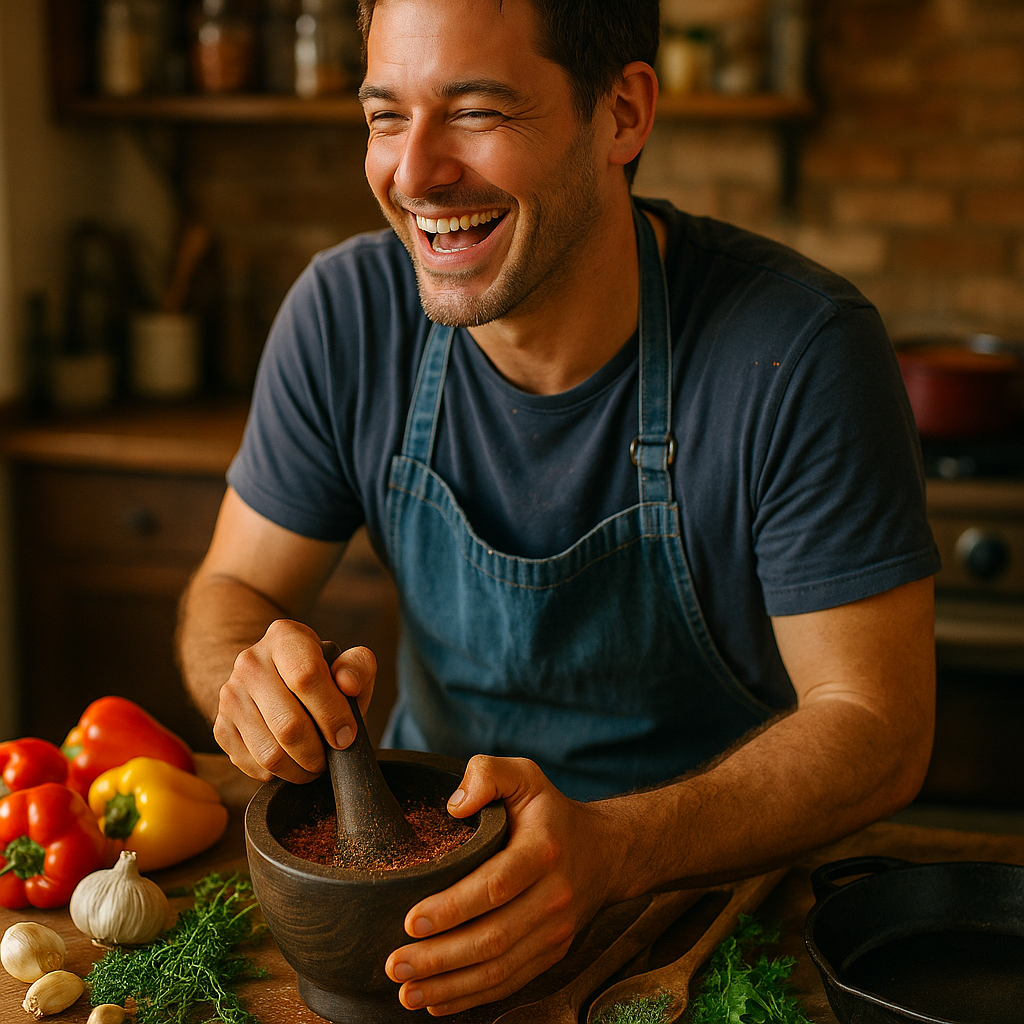
Hi, I’m Theo Granger, a former line cook and unapologetic flavor maximalist from New Orleans. I believe there are two types of people in this world: those who season their food, and those who LIVE to season their food. This blog is for the latter.